The National Interest
Submissions
Subscribe
Advertising
Contact
About
Search
Submit
Magazine
Blogs
The Skeptics
The Buzz
Lebanon Watch
Korea Watch
Military
Economics
Technology
Regions
Subscribe
Open Menu
Search
Submit
Magazine
Blogs
Toggle Sub Menu
The Skeptics
The Buzz
Lebanon Watch
Korea Watch
Military
Economics
Technology
Regions
Submissions
Subscribe
Advertising
Contact
About
Subscribe to Magazine
The National Interest: Blog
5 Worst .44 Magnum Guns On Planet Earth
Explained: Why Did Iran Attack Israel?
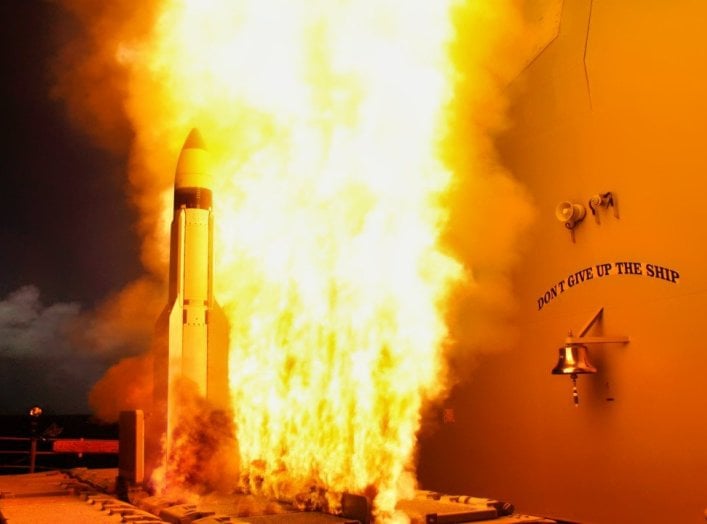
Game Changer: The Navy Wants to Rearm Warships with Missiles at Sea
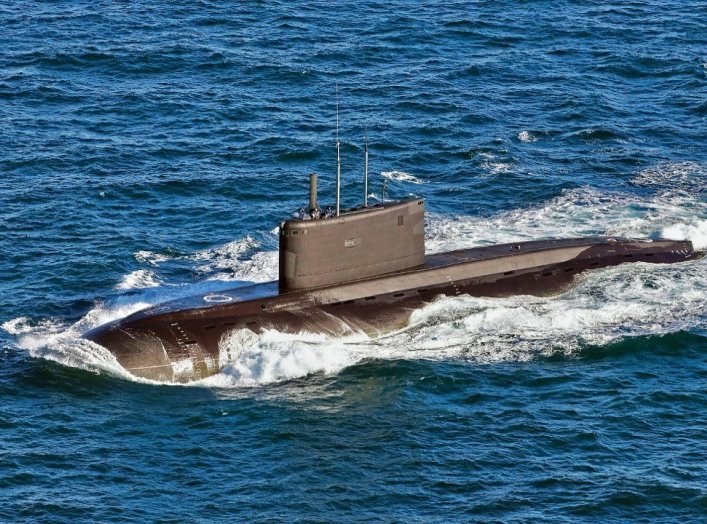
Russia's Kilo-Class Submarine: Nightmare for the U.S. Navy That Won't End
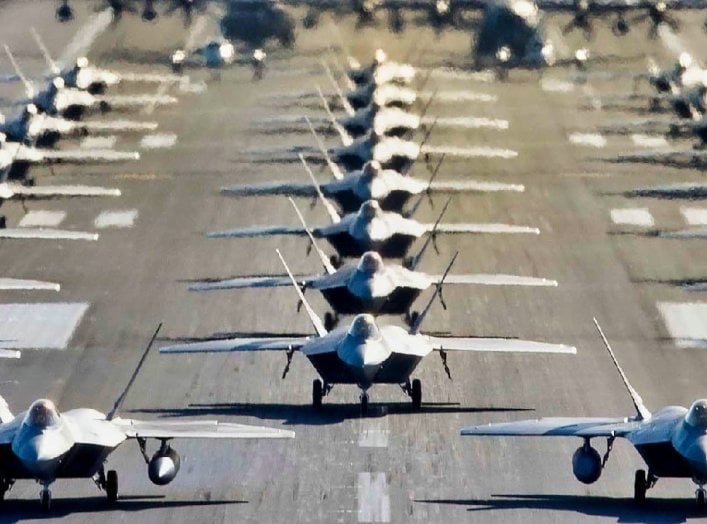
F-22 Raptors, F-35s and F-15 Fighters Take Part in Massive 'Elephant Walk'
The U.S. Military's Great Achilles Heel: A Shipyard Crisis
Russia's Lada-Class Submarine Is a Total Nightmare
Russia's Sierra-Class Titanium Submarine: The U.S. Navy Has Nothing Like It
China’s Growing Submarine Fleet: A Threat to the U.S. Navy?
Flattop Failures: 5 Worst Aircraft Carriers Ever
Previous
6
7
8
9
10
Next