The National Interest
Submissions
Subscribe
Advertising
Contact
About
Search
Submit
Magazine
Blogs
The Skeptics
The Buzz
Silk Road Rivalries
Lebanon Watch
Korea Watch
Military
Economics
Technology
Regions
Subscribe
Open Menu
Search
Submit
Magazine
Blogs
Toggle Sub Menu
The Skeptics
The Buzz
Silk Road Rivalries
Lebanon Watch
Korea Watch
Military
Economics
Technology
Regions
Submissions
Subscribe
Advertising
Contact
About
Subscribe to Magazine
Great Powers
Featured
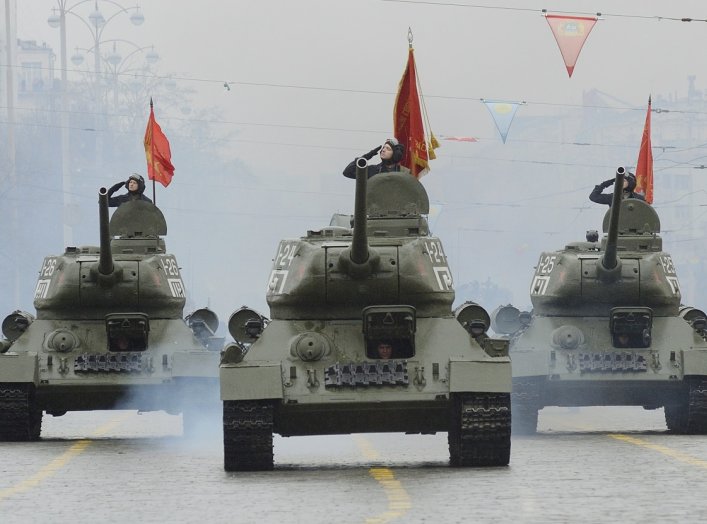
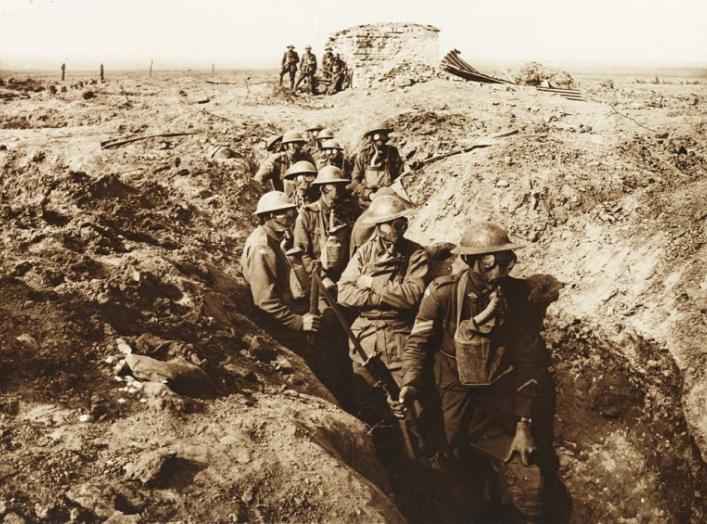
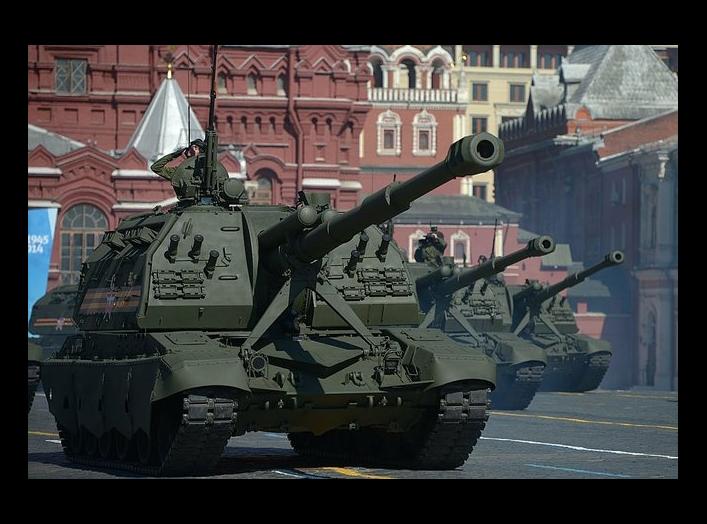
No War with Russia? Don't Be Too Sure.
Top Stories
The American People Aren't Ready for China
How China Sees World War I
Welcome to the World Without the West
How to Win a War with China
Kissinger's Counsel
View All Top Stories
Stories From Great Powers
The Five Most Dominant Supwerpowers in World History
No War with Russia? Don't Be Too Sure.
The American People Aren't Ready for China
How China Sees World War I
Welcome to the World Without the West
How to Win a War with China
Kissinger's Counsel
The Real Lesson of D-Day
Asia's Greatest Fear: A U.S.-China War
Get Ready World: The U.S.-Russian Rivalry Is Back
1
2
3
4
5
Next
Most Popular
1
Welcome to the World Without the West
2
Does Russia Really Need Ukraine?
3
Lessons from the Cuban Missile Crisis
4
Rethinking World Leadership
5
Don't Sweat AirSea Battle
View All Popular Stories